Execution That Holds Up in Real Operations, Not Just Demos
RoboHen's execution engine is built to handle real-world workflows, where systems disagree, data breaks, and exceptions happen daily.
This is how we eliminate manual fixes and make workflows reliable at scale.
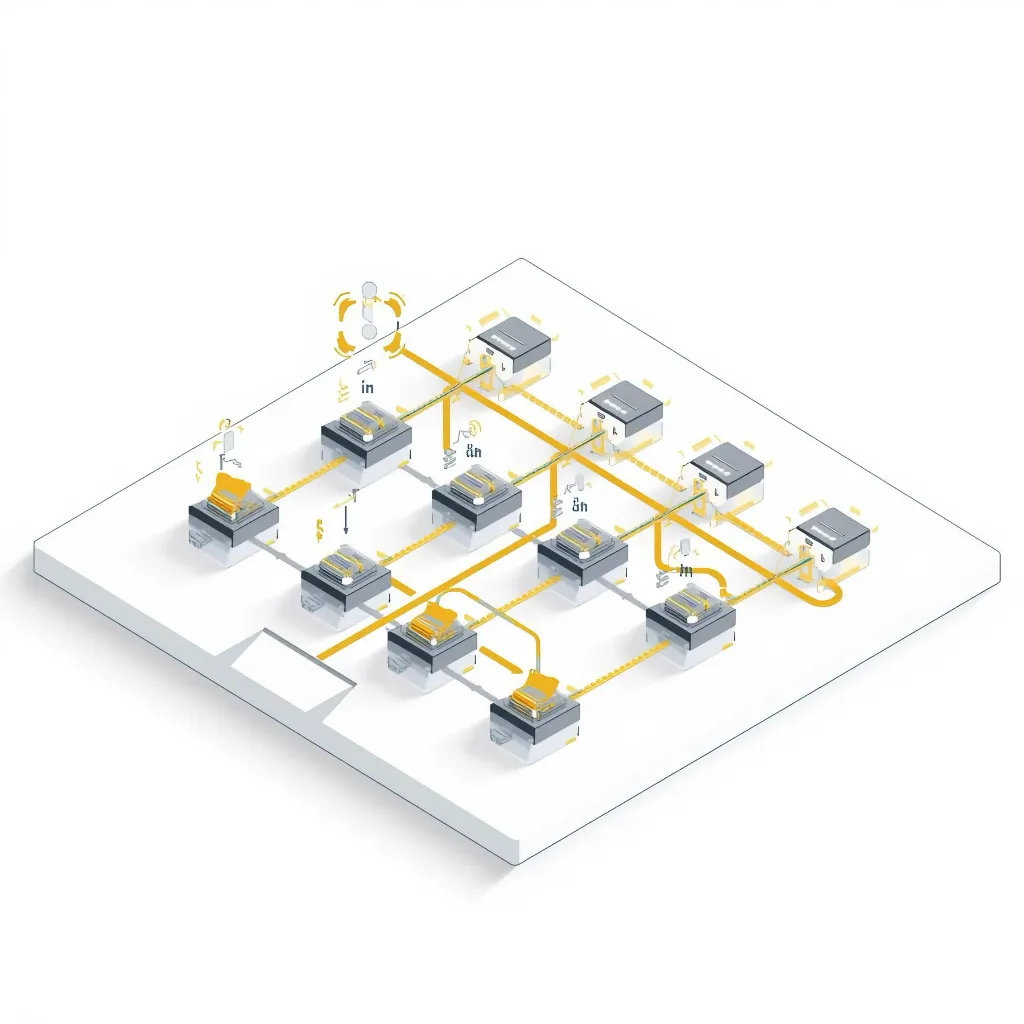
Why Most Automation Breaks in Production
Common failures in production:
- systems return inconsistent data
- workflows fail when edge cases appear
- retries and error handling are unclear
- teams step in manually to fix issues
This is where most automation tools fail, and where operations teams become the fallback.
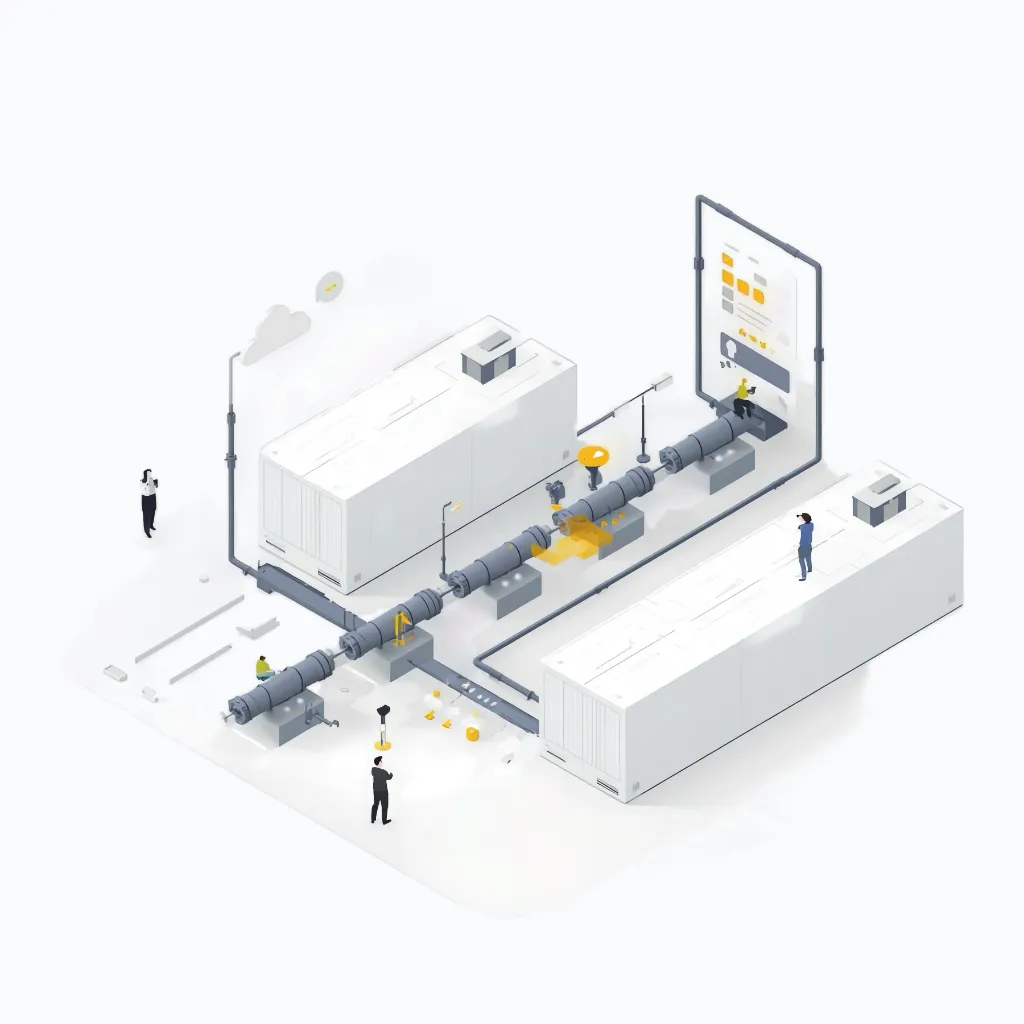
Designed to Handle Real-World Workflow Behavior
RoboHen executes workflows in a way that allows:
- failures to be handled without breaking the system
- parallel processing where needed
- retries and recovery built into execution
- visibility into every step
Workflows don't stop when something goes wrong. They recover, adapt, and continue.
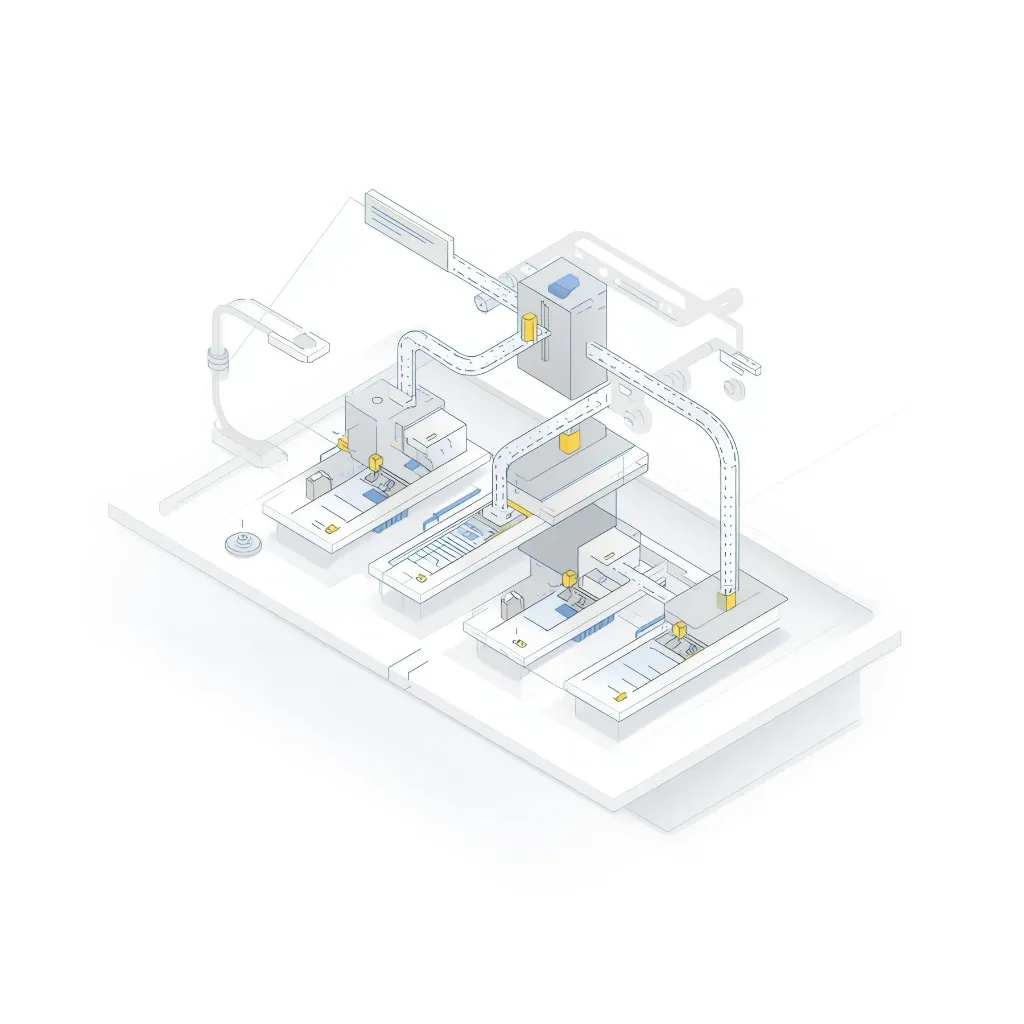
Built for Complex, Changing Workflows
Most systems struggle when workflows change frequently, involve multiple systems, or require conditional decisions. RoboHen is designed for workflows that:
- evolve over time
- involve exceptions
- require flexibility
RoboHen is built for the messiness of real operations, not ideal scenarios.
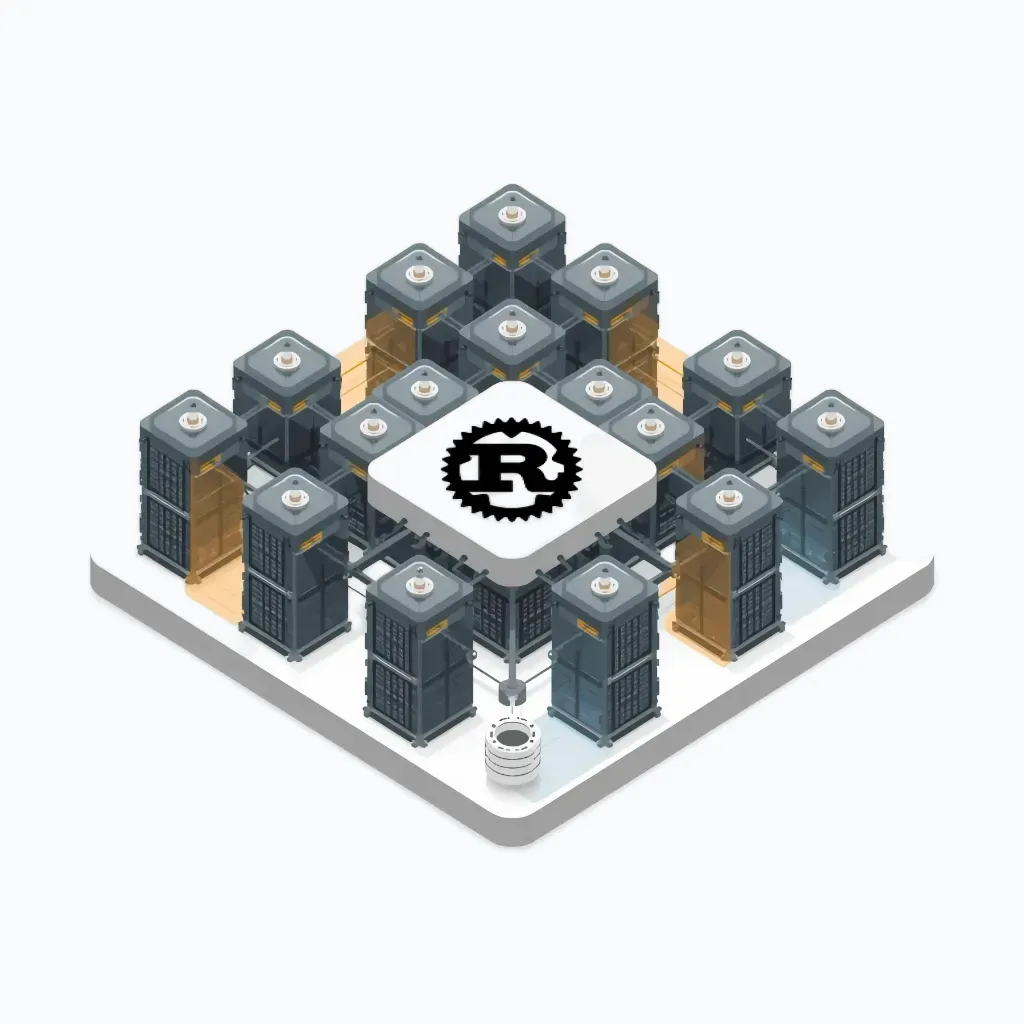
Reliable Execution by Design
RoboHen ensures:
- consistent outcomes from the same inputs
- safe handling of concurrent operations
- predictable behavior under load
This is critical for workflows tied to revenue, SLAs, and customer experience.
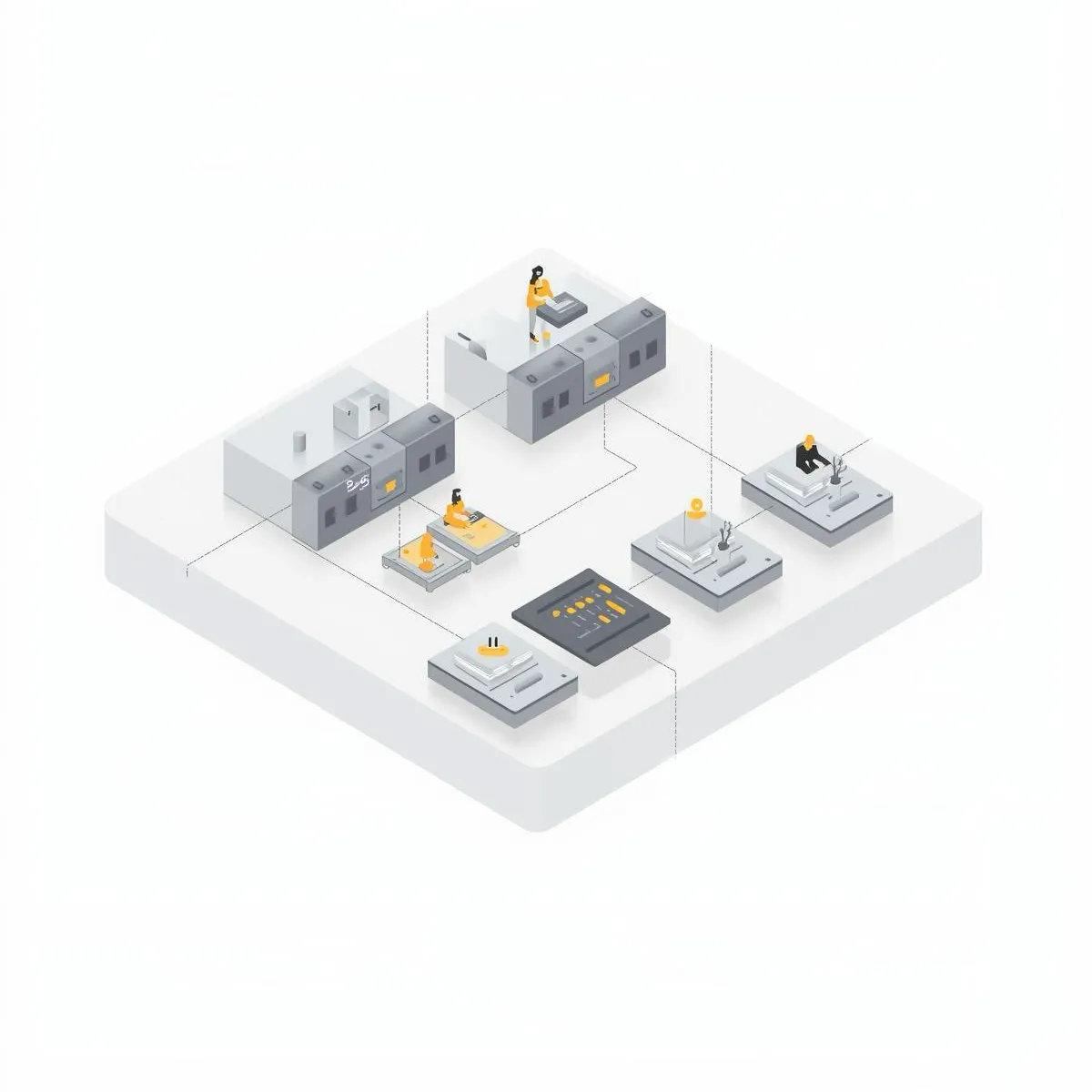
Workflows Continue Even When Things Break
Real workflows don't fail cleanly. They fail in messy, unpredictable ways. RoboHen handles:
- partial failures
- retry logic
- controlled escalation
- manual intervention when needed
This is how we eliminate manual reconciliation work across systems.

Full Visibility and Control
Operations teams can see:
- what happened
- why it happened
- who made decisions
- how issues were resolved
This builds trust in automation for critical workflows.
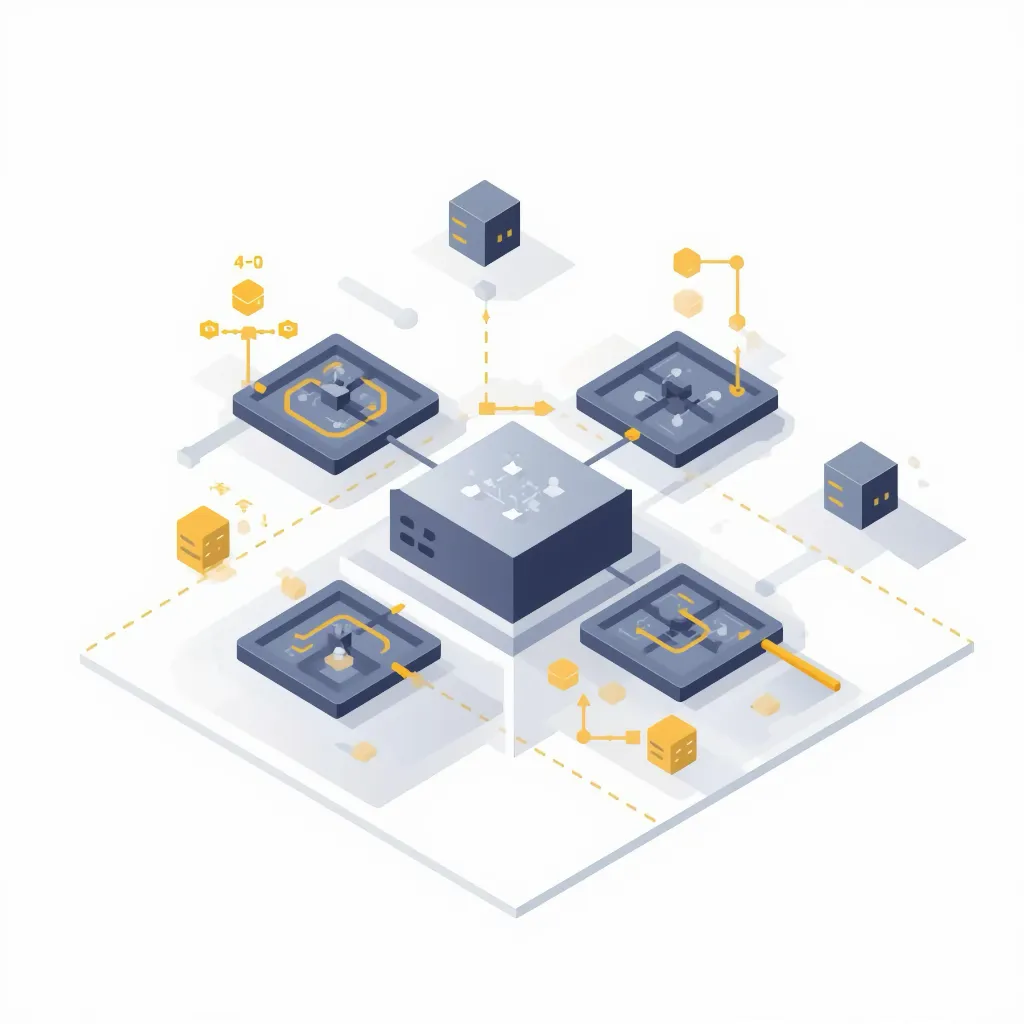
Where Reliable Execution Matters Most
RoboHen is built for workflows like:
- order reconciliation across platforms
- inventory and pricing synchronization
- billing and provisioning consistency
- multi-system operational workflows
These match exactly where reliability creates the most business value.
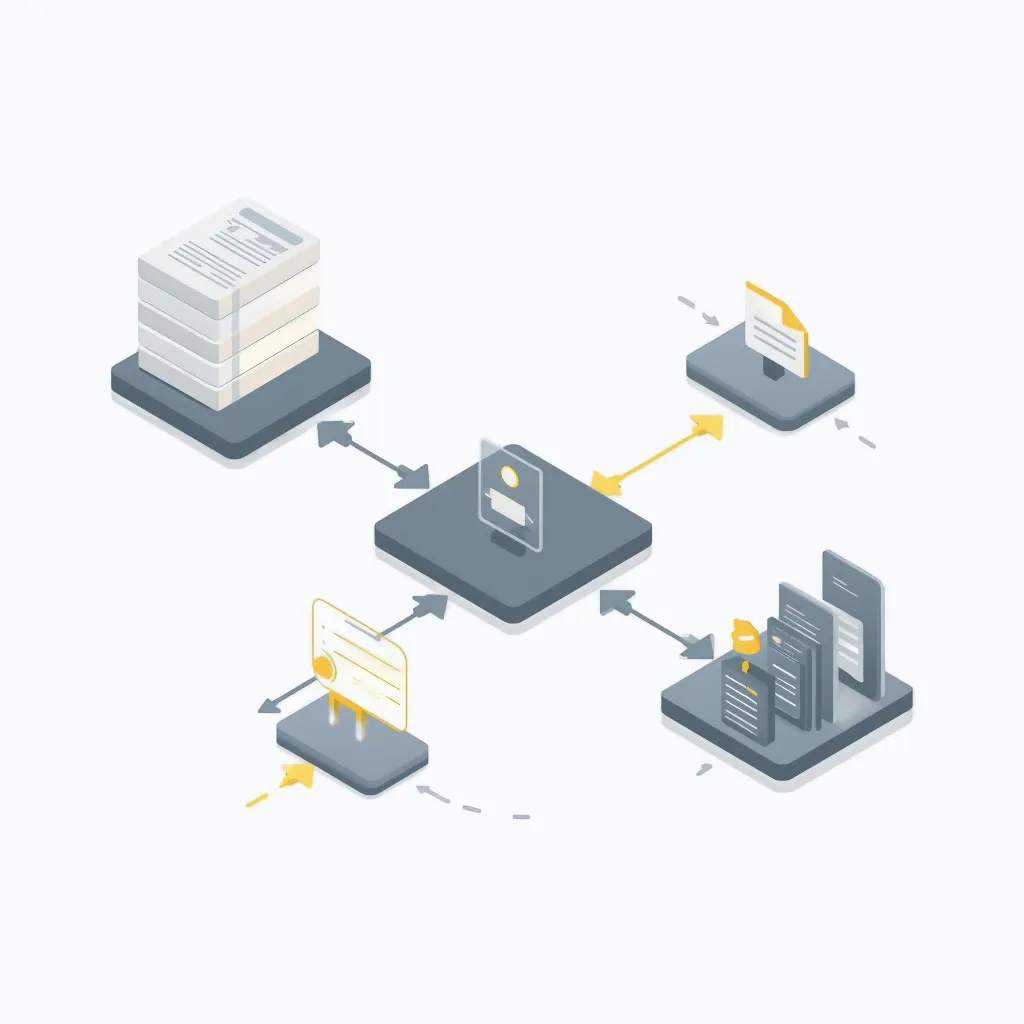
Part of a Complete Reliability System
The execution engine works together with:
- workflow builder — defines logic and intent
- human-in-the-loop — handles edge cases
- monitoring and dashboards — ensures visibility
This is not just execution. It is a reliability layer across your operations.
In Practice
How This
Works in Practice
This execution engine powers